
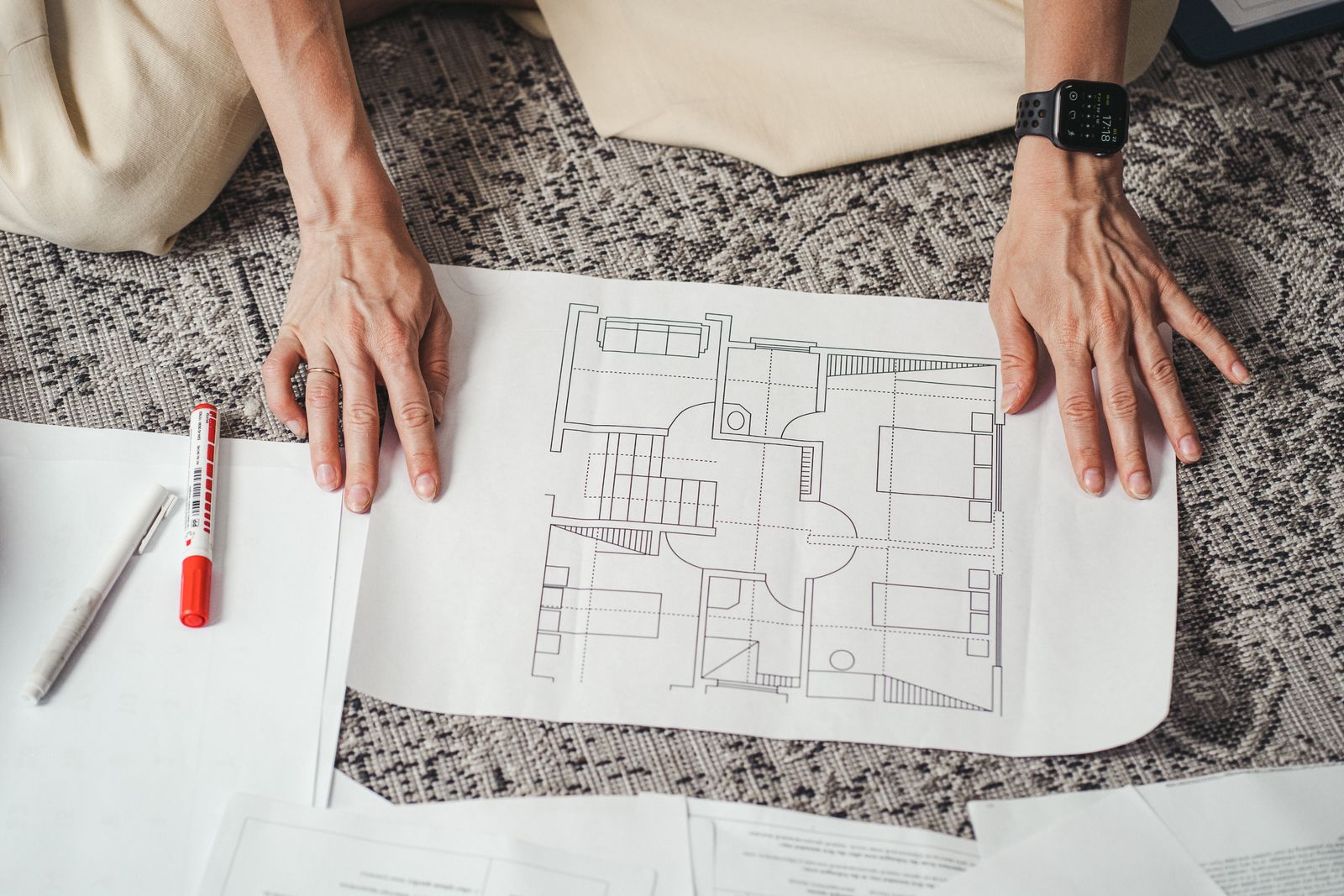
AI Blueprint Generator Startup Targets Permit-Ready Plans
Santa Monica startup Blueprints AI says its AI blueprint generator can produce drawings that meet local code and are ready for a permit office, starting from nothing more than a rough sketch or a PDF, and it does so in minutes. TechCrunch reported the news on October 12, 2026. The company was chosen for Startup Battlefield 200 and plans to show a second-generation product at Disrupt.
Waiting on permits is one of the most stressful stretches for any builder or property founder, because every idle week adds carrying costs. That is why this story matters even if you never open a drafting program yourself. Our look at AI for property management shows the same pressure to automate slow, rule-bound work spreading across real estate.
What This AI Blueprint Generator Actually Does
Co-founder Al Dram is both an architect and a general contractor. The training material came from eight years of drawing sets that his own design-build firm had already gotten approved, so the model learned from plans that local building departments accepted. The company is young, since it was formed just last year.
The product has grown in stages, and each stage widens the scope of what the software handles. The table below shows where each generation stands.
| Generation | What it covers |
|---|---|
| First | Starts from a sketch or PDF and outputs a drawing set |
| Second | Drawings for the building shell, structure and interiors alongside mechanical, electrical and plumbing systems, with local code checks whenever the design changes |
| Third (in development) | Planned engineering checks for structure, plus layout of electrical panels |
Why Drafting Time Is the Real Prize
By Dram’s estimate, roughly four-fifths of an architect’s hours go to drafting, leaving only a fifth for design. If that split holds in your market, automating the drafting side lets a small firm take on more projects without hiring at the same pace. The U.S. Bureau of Labor Statistics describes architects as professionals who plan and design buildings, so judgment and taste remain the scarce skills.
The lesson reaches beyond construction. Look for the part of your workflow that is repetitive and governed by clear rules, because software pays back there first. Meanwhile, keep your best people on the work that needs accountability.
Hiring is the other lever. Drafters are hard to find and slow to train. If software absorbs part of that load, you may delay a hire, keep overhead lean, and still say yes to a bigger client. That flexibility is worth real money to a young firm, though only if the output survives plan review.
Pricing Math for a Small Firm
The first-generation software costs between $3,200 and $8,500 per month, depending on the plan. Enterprise pricing is custom, and the company is weighing a flat fee for individual projects. Those numbers are real money for a studio with five people.
So run a simple break-even test. Take the hours one permit set costs you today, multiply by your loaded hourly rate, and see how many sets per month the subscription must replace. If the answer is more sets than you produce, the plan is too big for you right now.
Ask about onboarding costs as well. Some tools need your past drawings in a specific format, and cleanup can take weeks. Find out whether there is a trial, what happens to your data if you cancel, and whether the software works with the modeling programs your consultants already use. Hidden switching costs matter as much as the sticker price.
A Careful Pilot Before You Commit
Start with a past project whose approved drawings you already hold. Feed the same sketch to the tool and compare its output with what your building department accepted. Then note every gap in code references, dimensions, and sheet organization.
Treat the software like a new hire and set limits on what it may decide alone. Our guide to AI agent safety explains why clear boundaries prevent costly surprises. Assign one person to own the review, and log each correction so you can measure accuracy over a month.
Licensing Questions That Stay Human
The founders say licensed professionals still review and seal the documents before anything goes to the permit office. That detail matters because a professional seal carries legal liability that no software vendor takes on for you. Ask the vendor in writing who is responsible if a plan check fails.
Local rules also change often. Even if you already rely on automated business compliance tools elsewhere in your company, confirm how this product refreshes code data for each city you serve.
Questions Founders Are Asking
Can AI replace an architect?
Not according to the company. It says licensed professionals still review and seal the documents, so the software speeds up drafting rather than removing the human sign-off.
Who should try this first?
Architecture and engineering firms, developers, and property owners are the stated targets. Any team that pays for repeated drafting is a reasonable candidate for a small pilot.
The next milestone to watch is the third release, which promises engineering checks on structure and panel layouts. If plan reviewers accept those outputs without long revision cycles, the case for adoption gets much stronger. Until then, test small, document your results, and keep a licensed professional in the loop.