
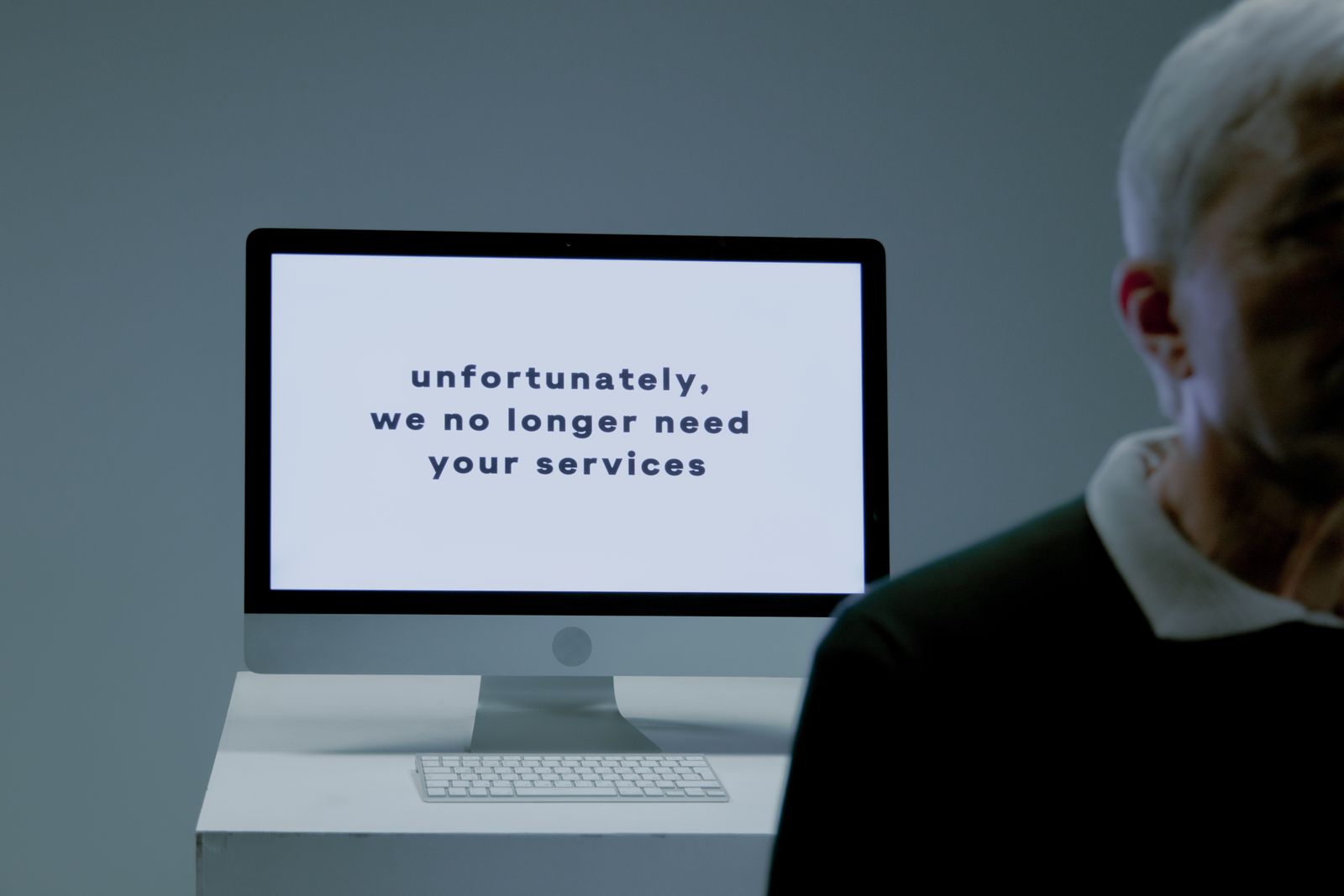
AI Layoffs Push Workers Toward Starting Businesses
AI has become the most common reason U.S. employers give for layoffs this year, according to a contributor analysis in Entrepreneur, republished on October 18. The piece says roughly one in five announced 2026 layoffs pointed to AI, while new business filings climbed too.
For a young founder, that pairing is both a warning and an opening. A growing pool of experienced people is suddenly available, and as tech layoffs and startups have shown before, some of them will build competitors, clients, or your next hires.
What the Layoff Numbers Actually Show
The analysis counts more than 120,000 announced cuts that cited AI by the end of September. It also lists several household names, and the table below sums up the figures it reports.
| Item | Reported figure |
|---|---|
| Share of 2026 announced cuts citing AI | About 21% |
| AI-cited cuts through September | More than 120,000 |
| Amazon cuts announced in January | Nearly 16,000 |
| Meta planned reductions | About 8,000 (close to 10% of staff) |
| Block reductions | More than 4,000 (nearly half of staff) |
Block is the most striking case. Its CEO, Jack Dorsey, argued that better software and leaner, flatter teams are reshaping day-to-day operations. However, other firms describe the role of AI in their cuts very differently, so treat the label with some caution.
Why New Business Filings Are Climbing
The Census Bureau business formation statistics count nearly 4.2 million applications from January through August 2026, roughly 17% higher than a year earlier.
Still, the author is careful here, and so should you be. Filings rise and fall for many reasons, and not every application becomes an operating company. In short, the data suggests a trend but does not prove that layoffs caused it.
How to Launch Lean After a Job Loss
The analysis argues that industry experience plus AI tools can lower the cost of starting up. Consulting practices, service businesses, and niche products are the examples it gives. Because AI can handle early market research, drafts of a business plan, basic customer questions, and admin work, a new company may need less revenue to survive.
Start small and sell before you build. Talk to real prospects, then validate the idea with revenue rather than spending. Meanwhile, watch the wider picture, since a recent small business outlook survey found owners worried about inflation and access to capital.
A simple first-month checklist keeps the plan honest:
- Write down the one problem you can solve better than a generic AI tool can.
- Line up three prospects who would pay for that solution this quarter.
- Set a spending cap, and stop adding costs until revenue arrives.
Know Your Runway Before You Quit
Enthusiasm is not a financial plan. Before leaving a salaried job, or after a layoff, calculate how many months of personal and business costs you can cover. Include health insurance, taxes, and the gap before your first paying customer.
Household balance sheets matter here too. The median net worth survey we covered shows how thin the cushion can be for many families, so build a conservative budget and a fallback plan.
What Employers and Hiring Managers Should Notice
If you run a team, the same trend affects you from the other side. Skilled people who leave large employers often want smaller, faster environments. Consequently, a lean company with clear goals and flexible pay can hire talent that was out of reach a year ago.
Be honest about your own AI plans as well. Workers are watching how companies talk about automation, and trust is hard to rebuild once a team feels blindsided.
Where Human Work Still Wins
The author adds that clients still choose brands they trust, and that trust grows through personal contact. AI can draft the email, but it cannot earn a client’s loyalty. As a result, the founders most likely to last are those who use AI for speed and keep people at the center of service.
Signals to Track Through Year End
Three indicators will tell you whether this is a lasting shift. First, watch whether more large employers name AI as a reason for cuts. Second, check whether monthly business applications stay above last year’s pace. Third, see whether new founders actually survive past their first year of operations.
Because the data is still young, avoid building a whole strategy on one report. Instead, collect a few sources and look for agreement.
Quick Answers for Would-Be Founders
Do AI layoffs mean I should start a business?
Not automatically. Test demand first, keep costs low, and treat the business as an experiment until customers pay.
What is the safest first offer?
Start with a service built on skills you already have, such as consulting or contract work. It needs little inventory and can bring in cash quickly.
Next, watch whether layoff announcements keep citing AI and whether business filings hold their pace through the end of the year. If both trends continue, expect more experienced operators to become your competitors, partners, and customers.