
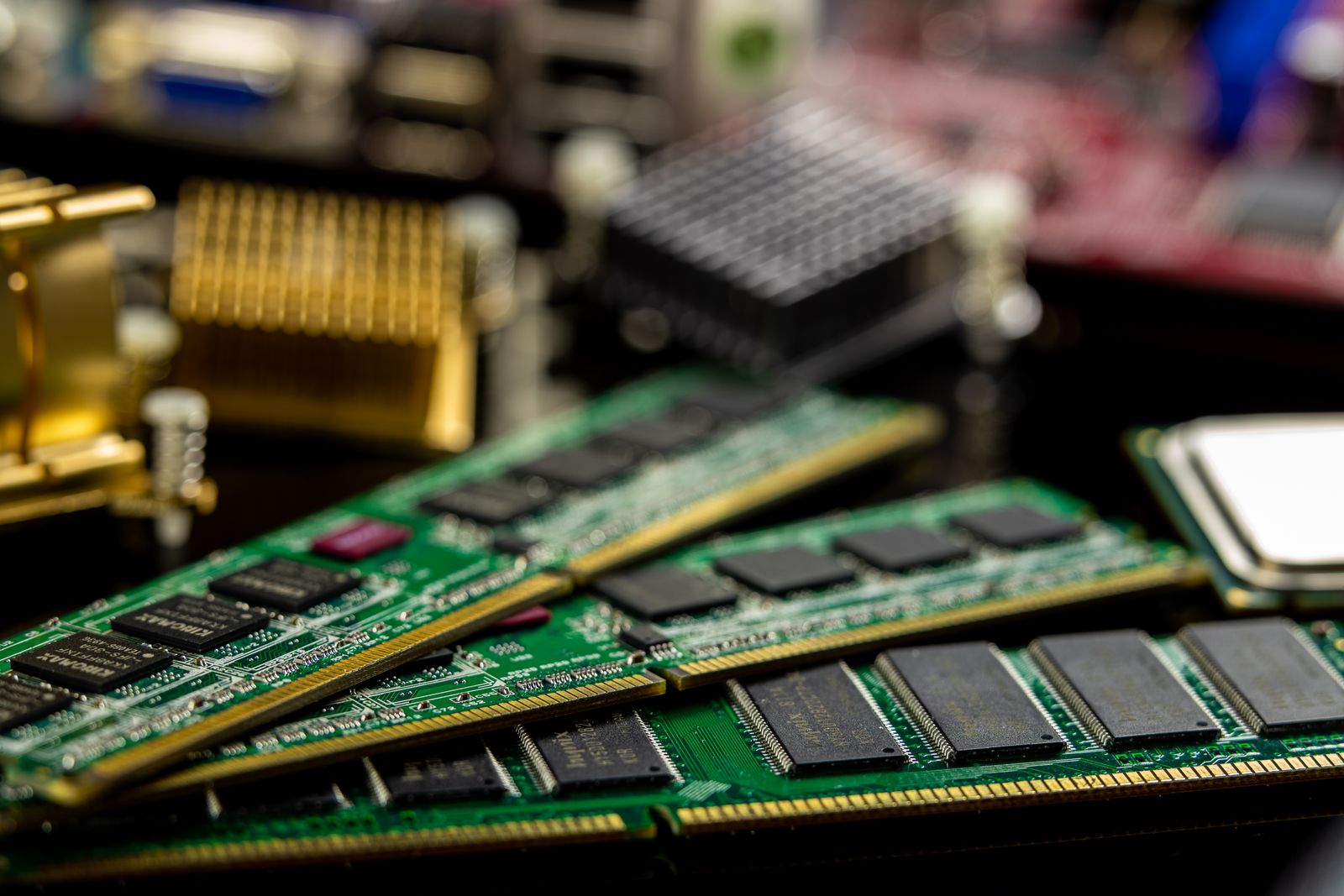
Memory Chip Shortage: SK hynix Posts a Record Quarter
SK hynix posted record third-quarter results on October 28, and the Korea Herald reports that quarterly revenue topped 100 trillion won for the first time. The chipmaker credits demand for advanced AI memory. It also says buyers have already locked up much of its output for the next two years.
That matters beyond Seoul. A memory chip shortage raises costs for anyone who buys servers, devices, or AI services. Founders who budgeted for cheap compute should read this as a signal to plan, not panic.
The Quarter in Numbers
The company grew fast and kept margins high. Here are the headline figures as reported.
| Metric | Result |
|---|---|
| Revenue | 104.62 trillion won, up 32% from the prior quarter |
| Operating profit | 83.33 trillion won, up 38% from the prior quarter |
| Operating margin | Nearly 80% |
| Net profit | 39.78 trillion won |
For scale, the article converts 100 trillion won to roughly $75.5 billion. In short, a memory supplier is now earning like a software company.
Those margins explain why the industry is racing to add capacity. When a business keeps close to 80 cents of operating profit from each dollar of sales, it has both the cash and the motive to build more. However, factories take years to plan and equip, so customers feel the squeeze long before new supply arrives. That timing gap is the real story for buyers.
Why Buyers Are Locking In Supply
SK hynix says long-term agreements with 14 major customers cover more than half of its 2027 and 2028 production capacity. Pricing in those deals follows market conditions within agreed ranges. The company also expects demand to exceed supply through 2030.
Two products drive the story. One is HBM4, a high-bandwidth memory used with AI processors. The other is server DDR5. SK hynix expects HBM4 to pass the prior generation in both shipments and revenue in the fourth quarter.
Meanwhile, the firm plans to raise investment next year as its first Yongin fab ramps up. New capacity helps, but it takes time to arrive.
Notice that pricing in the long-term agreements still tracks market conditions inside agreed ranges. Customers get priority access, not a fixed low price. For a smaller company, this means you cannot easily copy the playbook of the biggest buyers. Focus on flexibility and efficiency instead.
Where the Cost Pressure Reaches Small Companies
Most startups never buy a memory chip directly. Instead, the cost shows up in cloud bills, hardware quotes, and AI tool pricing. When the biggest buyers reserve supply years ahead, smaller buyers compete for what remains.
This fits a pattern we have covered. Rising AI capex spending by large platforms pulls on the same components. Likewise, changes in AI model pricing can pass hardware costs straight to your product margins.
Practical Moves for the Next Two Quarters
You cannot change the chip market, but you can change your exposure. Watch LLM API pricing as an early warning, then consider these steps.
- Review every contract that bundles hardware or compute and note when prices can reset.
- Model your gross margin with infrastructure costs 20% higher, then see what breaks.
- Lock in multi-month terms with cloud or hardware vendors where the price is fair.
- Trim waste before you negotiate. A tight cloud cost management routine gives you leverage.
The Semiconductor Industry Association publishes industry research and policy updates if you want a steady view of chip supply conditions. Keep in mind that company forecasts are not guarantees.
It also helps to talk with your vendors directly. Ask cloud and hardware suppliers how they expect component costs to move over the next year, and whether they plan to adjust prices. Their answers will not be perfect, but you will learn who has thought about the issue. In addition, build a small buffer into annual budgets so a price change does not force a rushed decision.
What the Profit Haul Signals About Where Capital Is Going
SK hynix also plans large payouts to shareholders this year. It says it will return at least 30 trillion won in dividends and at least 60 trillion won through buybacks and share cancellations. That tells you the company expects strong cash flow to continue.
For founders, the takeaway is simple. Capital is flowing toward AI infrastructure, and suppliers hold the pricing power for now. If your product depends on that stack, pick vendors with clear price terms.
Common Questions About the Memory Squeeze
What is HBM?
High-bandwidth memory is a stacked memory type placed close to AI processors. It moves data much faster than standard memory.
Will prices fall soon?
SK hynix expects demand to outpace supply through 2030, so relief is not guaranteed. Plan for stable or higher costs.
Bottom line: the chip market is rewarding the suppliers, and customers should budget accordingly. Check your infrastructure contracts before the next price reset.